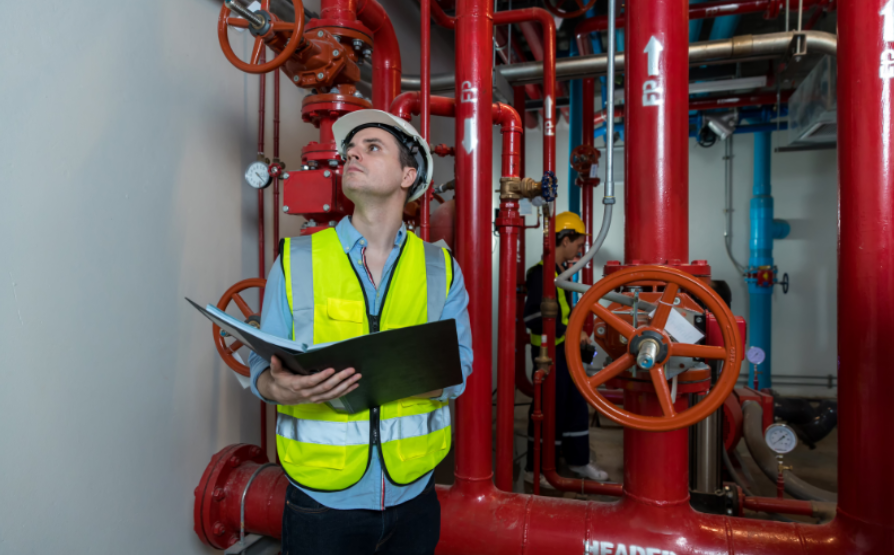
Fire engineers are important in identifying potential fire hazards in high-rise and industrial buildings. They conduct detailed risk assessments to evaluate structural vulnerabilities, combustible materials, and occupancy levels. By analysing these factors, they develop strategies to minimise fire risks and prevent incidents. A comprehensive risk assessment allows them to implement proactive fire engineering measures that improve building safety.
Ensuring Compliance with Fire Safety Regulations
Fire engineering in Singapore involves strict adherence to building codes and fire safety regulations. Fire engineers ensure structures meet legal requirements by conducting inspections and implementing necessary safety measures. Compliance with fire safety regulations reduces liability risks for building owners while enhancing overall safety. Their expertise ensures that high-rise and industrial buildings operate within regulatory guidelines.
Designing Effective Fire Protection Systems
High-rise and industrial buildings require specialised fire protection systems to ensure the safety of occupants and infrastructure. Fire engineers design fire suppression systems, such as sprinklers, smoke control systems, and alarms, to contain and manage potential fire outbreaks. By integrating fire engineering principles into building design, they ensure that fire protection measures align with safety regulations and industry standards.
Developing Fire Evacuation Strategies
Effective evacuation strategies are essential for high-rise buildings, where occupants may face challenges exiting the structure during a fire. Fire engineers design evacuation plans for stairwell access, refuge areas, and fire-resistant corridors. They also conduct evacuation drills and simulations to ensure occupants are familiar with emergency procedures. These strategies minimise panic and improve response times during fire incidents.
Implementing Smoke Control and Ventilation Systems
Smoke inhalation poses a significant risk in fire emergencies. Fire engineers design and implement smoke control systems to prevent the spread of toxic fumes. Ventilation solutions, such as pressurised stairwells and smoke extraction systems, help maintain breathable air and improve visibility during evacuations. These systems enhance safety by reducing smoke-related hazards in high-rise and industrial settings.
Strengthening Structural Fire Resistance
Building materials and construction techniques play a crucial role in fire safety. Fire engineers work with architects and developers to incorporate fire-resistant materials and design strategies that slow the spread of flames. They specify fire-rated walls, ceilings, and doors that enhance the structural integrity of buildings. These measures ensure that high-rise and industrial buildings remain stable under fire conditions, reducing the risk of collapse.
Conducting Fire Safety Inspections and Audits
Routine fire safety inspections help maintain compliance and assess the effectiveness of fire protection systems. Fire engineers conduct audits to identify weaknesses in fire safety protocols and recommend improvements. Inspections include testing fire alarms, assessing emergency exits, and reviewing fire suppression systems. Regular evaluations ensure that safety measures remain effective and up to date.
Learn More: Well-Balanced Solution for Wind-Driven Rain and Fire Safety for Escape Corridors
Minimising Fire Hazards in Industrial Settings
Industrial buildings often house hazardous materials and equipment that increase fire risks. Fire engineers develop customised fire protection strategies for these environments, implementing fire-rated storage areas, explosion-proof electrical systems, and automatic fire suppression units. These strategies help minimise fire hazards while ensuring workplace safety for employees and assets.
Integrating Fire Safety into Smart Building Systems
Modern buildings incorporate smart technologies to enhance fire safety. Fire engineers design intelligent fire detection systems that monitor building conditions and detect fire risks in real-time. These systems use sensors and automation to trigger fire suppression measures and alert emergency responders. By integrating fire engineering solutions with smart building technologies, fire engineers improve fire prevention and response strategies.
Enhancing Emergency Preparedness
Training and preparedness are essential components of fire safety. Fire engineers develop emergency response plans and conduct fire safety training for building occupants and staff. These initiatives improve awareness and equip individuals with the knowledge to respond effectively during fire emergencies. Enhanced preparedness reduces the likelihood of injuries and fatalities in high-rise and industrial buildings. Fire engineers are critical in safeguarding high-rise and industrial buildings through fire engineering solutions, risk assessments, and safety strategies.
For more information about fire engineering solutions, contact SHEVS IFT Consultants today.