
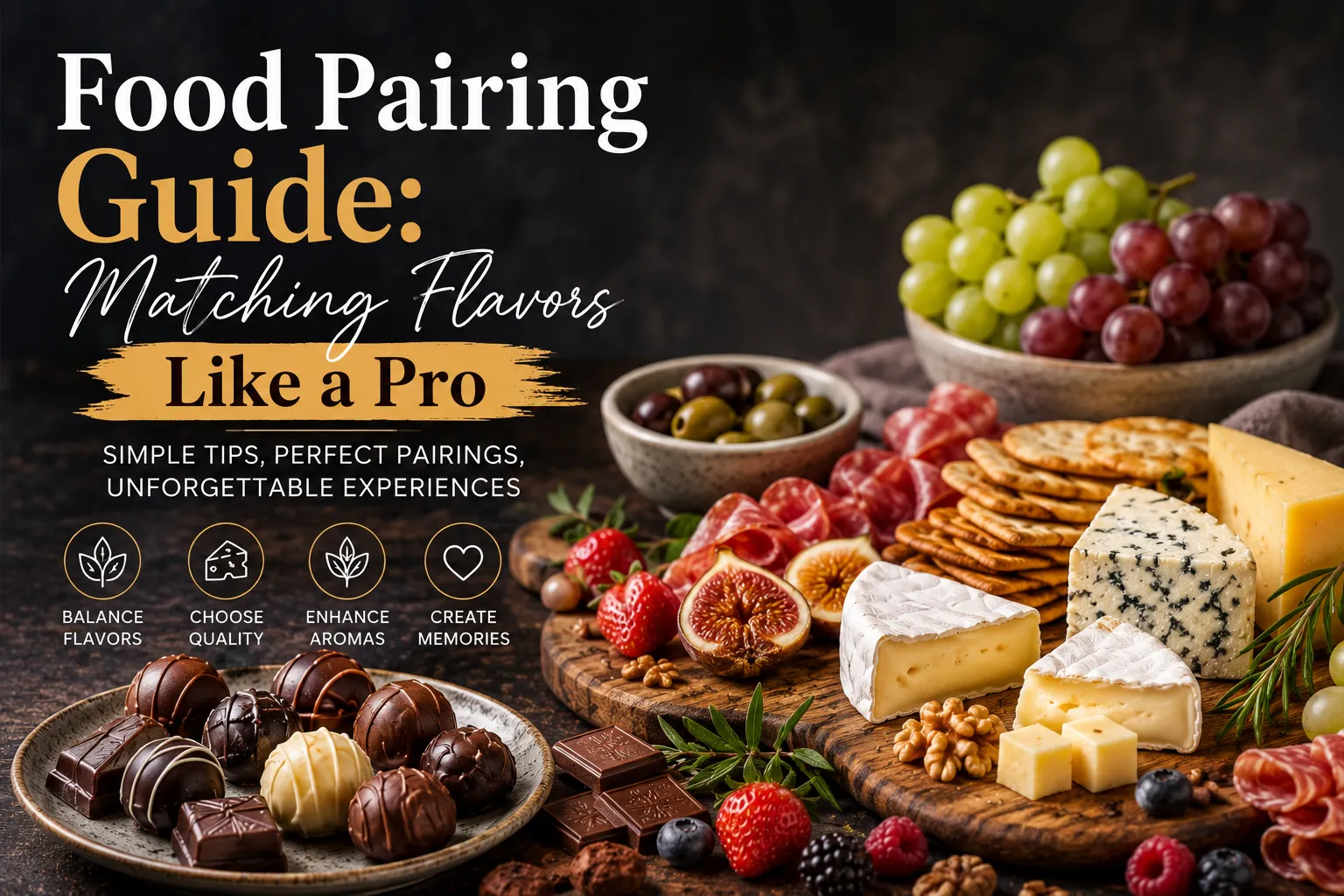
Great food is about more than choosing quality ingredients—it’s about how flavors work together. The right pairing can transform a simple meal into a memorable dining experience by creating balance, contrast, and harmony. Whether you’re preparing a family dinner, hosting friends, or planning a celebration, understanding the basics of food pairing can help you make better choices with confidence.
This food pairing guide explores practical techniques for combining flavors, textures, and aromas so every meal feels thoughtfully prepared. You don’t need professional culinary training to pair foods successfully. A few simple principles can make a noticeable difference in how your dishes taste and how much your guests enjoy them.
Understand the Basics of Flavor Pairing
Before combining ingredients, it’s helpful to understand the five primary tastes:
-
Sweet adds richness and balances spicy or salty foods.
-
Salty enhances natural flavors and creates depth.
-
Sour brings freshness and cuts through richness.
-
Bitter adds complexity and balances sweetness.
-
Umami delivers a savory, satisfying quality.
The best pairings often combine complementary tastes rather than relying on just one flavor. For example, sweet and salty, creamy and acidic, or rich and fresh combinations create balanced dishes that appeal to the palate.
Texture is equally important. Crunchy vegetables with creamy dips, crispy coatings with tender meat, or smooth desserts topped with toasted nuts make meals more enjoyable because they provide variety in every bite.
Pair Foods by Texture and Aroma
Flavor isn’t the only factor that matters. Aroma and texture play significant roles in how people experience food.
Consider combining:
-
Creamy foods with crispy toppings.
-
Smoky dishes with fresh herbs.
-
Rich meals with bright citrus flavors.
-
Soft cheeses with crunchy crackers or toasted bread.
-
Fresh fruits alongside creamy desserts.
These combinations create contrast that keeps each bite interesting without overwhelming the palate.
Match Rich Foods with Fresh Ingredients
Rich dishes often benefit from lighter accompaniments. Fresh vegetables, citrus fruits, leafy greens, and herbs help balance heavier meals.
For example:
-
Grilled steak pairs well with roasted asparagus and a fresh salad.
-
Creamy pasta becomes lighter with lemon zest and fresh basil.
-
Slow-cooked meats benefit from pickled vegetables or fresh slaw.
Adding brightness prevents meals from feeling too heavy while enhancing the natural flavors of the main dish.
Seasonal Ingredients Create Better Pairings
One of the easiest ways to improve food pairings is by cooking with seasonal ingredients. Produce harvested at its peak typically offers better flavor and texture.
Spring favors fresh herbs, peas, and asparagus.
Summer brings tomatoes, berries, peaches, and corn.
Autumn introduces squash, mushrooms, apples, and root vegetables.
Winter is ideal for hearty greens, citrus fruits, potatoes, and warming spices.
Using seasonal ingredients naturally creates combinations that taste fresh and balanced throughout the year.
Don’t Forget Color Presentation
People often judge food before taking the first bite. A colorful plate creates anticipation and makes meals look more appetizing.
Try combining ingredients with contrasting colors such as:
-
Green herbs with roasted vegetables.
-
Bright berries on creamy desserts.
-
Orange carrots alongside leafy greens.
-
Red peppers mixed with yellow squash.
An attractive presentation enhances the overall dining experience without requiring complicated preparation.
Build Better Appetizer and Gift Pairings
Food pairing isn’t limited to full meals. Carefully selected snacks and gourmet gifts also benefit from thoughtful combinations of flavors and textures.
Explore a Wine and Chocolate Gift Basket for Sophisticated Gifting
A wine and chocolate gift basket offers a refined combination that suits birthdays, anniversaries, holidays, and corporate gifting. Premium chocolates paired with carefully selected bottles create a luxurious experience that’s easy to enjoy and share.
When exploring a wine and chocolate gift basket, look for assortments featuring a variety of chocolate styles, such as dark, milk, and truffle selections, alongside complementary gourmet treats. High-quality packaging, premium ingredients, and thoughtful presentation can make the gift even more memorable. Whether you’re celebrating a milestone or searching for an elegant present, a curated wine and chocolate gift basket is a convenient choice that combines indulgence with sophistication.
Choose a Wine and Cheese Gift Basket for Entertaining
A wine and cheese gift basket is an excellent option for dinner parties, housewarming celebrations, client appreciation, and festive occasions. The combination of artisan cheeses, savory snacks, crackers, and complementary accompaniments creates an impressive spread that guests can enjoy immediately.
When selecting a wine and cheese gift basket, consider the variety of cheeses included, the freshness of accompanying gourmet foods, and the overall presentation. A thoughtfully assembled wine and cheese gift basket offers convenience while delivering a balanced tasting experience that appeals to both casual food lovers and seasoned entertainers. It’s a practical yet elegant gift that works for many occasions.
Common Food Pairing Mistakes to Avoid
Even experienced home cooks occasionally make pairing mistakes. Being aware of these common issues can improve your results.
Overpowering Delicate Flavors
Light seafood, fresh herbs, and mild vegetables can easily become overwhelmed by heavy sauces or intense spices. Allow subtle ingredients to remain the highlight of the dish.
Ignoring Texture
Meals consisting entirely of soft foods can feel repetitive. Add crunch through toasted nuts, fresh vegetables, crispy bread, or roasted seeds.
Too Many Competing Ingredients
Using too many bold flavors at once often creates confusion rather than balance. Focus on a few complementary ingredients that work well together.
Forgetting Acidity
Rich dishes usually benefit from acidic ingredients such as citrus, tomatoes, or vinegar to brighten the overall flavor.
Simple Food Pairing Tips Anyone Can Use
If you’re just beginning to experiment with food pairing, these practical tips can help:
-
Start with fresh, quality ingredients.
-
Balance rich foods with lighter sides.
-
Include contrasting textures on every plate.
-
Use herbs and citrus to brighten flavors.
-
Taste as you cook and adjust gradually.
-
Keep seasoning balanced rather than excessive.
-
Choose seasonal ingredients whenever possible.
-
Focus on harmony instead of complexity.
Following these simple guidelines makes it easier to create meals that taste complete and satisfying.
Conclusion
Mastering food pairing isn’t about memorizing complicated culinary rules. It’s about understanding how flavors, textures, aromas, and presentation work together to create enjoyable meals. With a little practice, you’ll become more confident in choosing ingredients that naturally complement one another.
Whether you’re preparing everyday dinners, hosting celebrations, or selecting thoughtful gourmet gifts like a wine and chocolate gift basket or a wine and cheese gift basket, paying attention to balanced pairings elevates the entire experience. By applying the principles in this food pairing guide, you’ll be able to create memorable meals and impressive food combinations that guests and family members will appreciate time after time.
